 HoopReady
Image to embroidery
An embroidery machine does not read images. It reads a list of needle movements, and somebody has to decide what those are: which shapes are sewn, in what direction, in what order. Whether your image is a good start for that is mostly a question of what kind of image it is, and that takes a minute to answer.
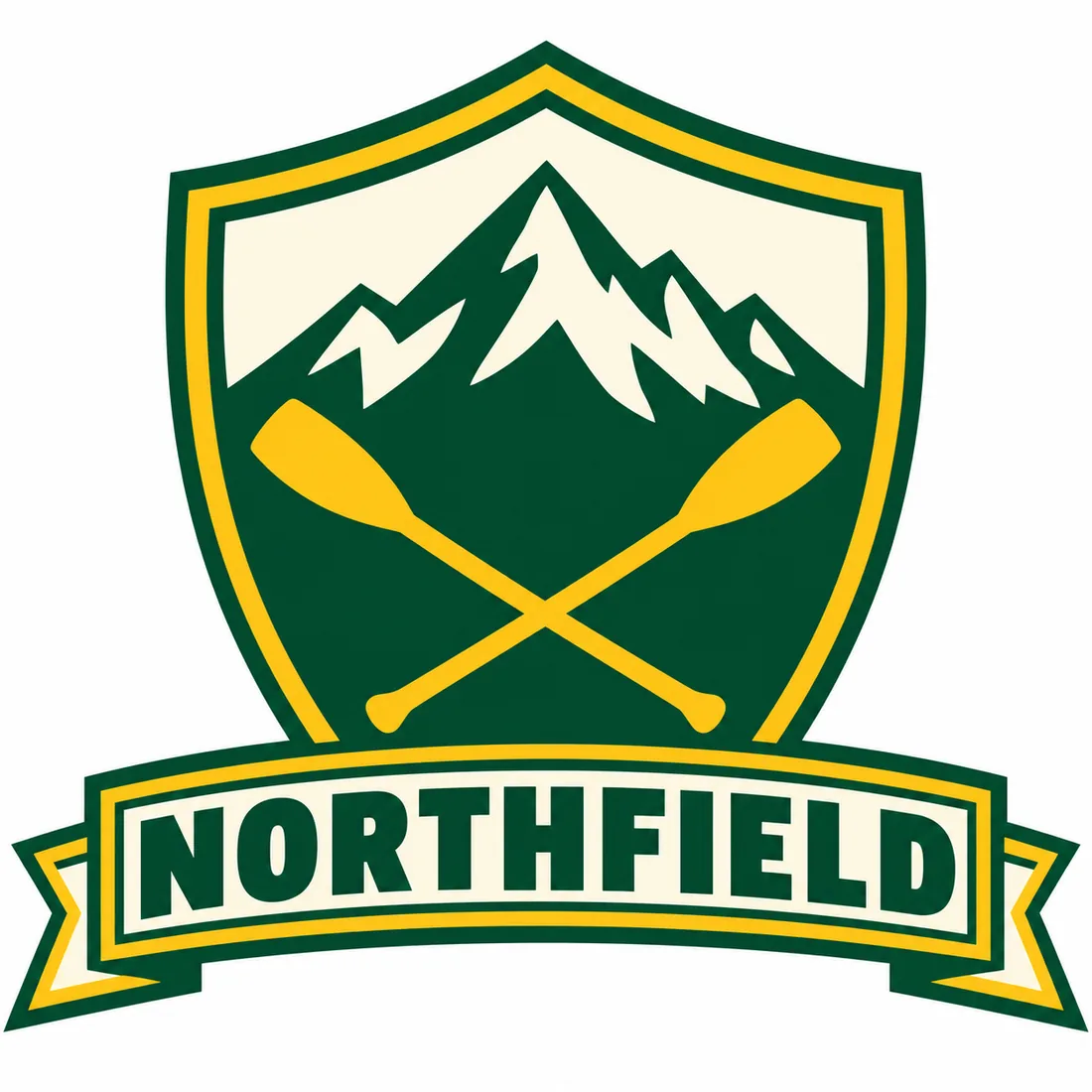
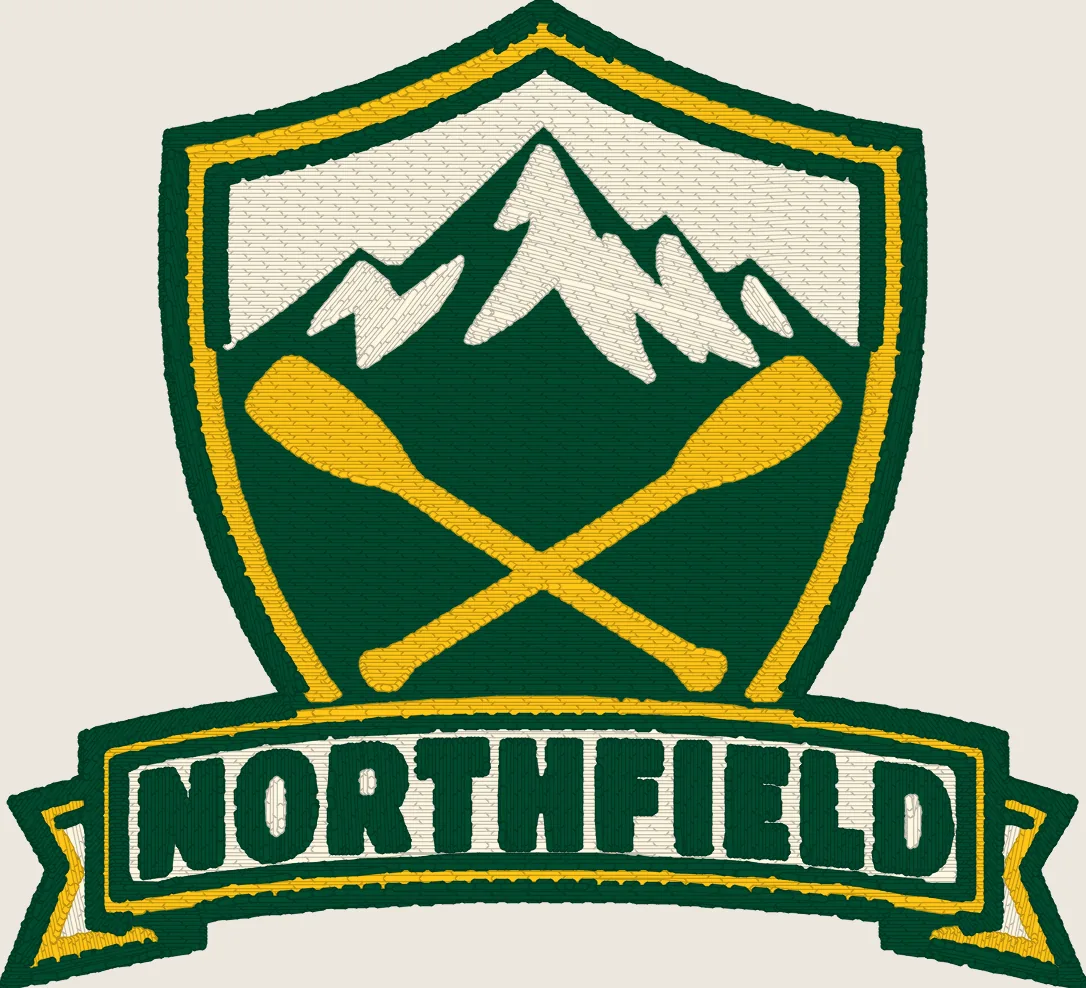
What kind of image do you have?
| Your image | What happens to it | Read next |
|---|---|---|
| A logo or badge with flat colours | The best start. Shapes are redrawn for thread; colours stay as they are. Our vector mark measured 3 colours and a gradient share of 0 — nothing to clean up. | Logo to embroidery |
| Line art, a monogram, a signature | Works, if the lines are thick enough at your size. A fine-line monogram at 90 mm measured a 0.78 mm thinnest line, under the 1 mm the check flags. | JPG to PES |
| A compressed JPEG of a logo | Works, with one colour too many. The same monogram saved at JPEG quality 30 measured 4 colours where the clean export measured 3. | JPG to DST |
| A photograph | Redrawn as flat shapes by hand. Shading becomes solid areas of thread. | Digitizing services |
Colour count matters twice: once for how the design looks in thread, and once for price. Basic takes up to 5 colours; a design with more goes to the next package up, and the free check tells you which before you pay.
Start from the file you have
Each of these pages takes one pair — the file you have, the file the machine reads — and goes into what is particular to it:
| You have | Machine reads | Page |
|---|---|---|
| PNG | DST | PNG to DST |
| PNG | PES | PNG to PES |
| JPG | DST | JPG to DST |
| JPG | PES | JPG to PES |
| DST | PDF to DST | |
| PES | PDF to PES | |
| SVG | DST | SVG to DST |
| AI (Illustrator) | DST | AI (Illustrator) to DST |
Already have a machine file and want to see it? The DST file viewer opens one in your browser. Need a PES from a DST you already own? The DST to PES converter rewrites it without re-digitizing.
Two examples, two machines
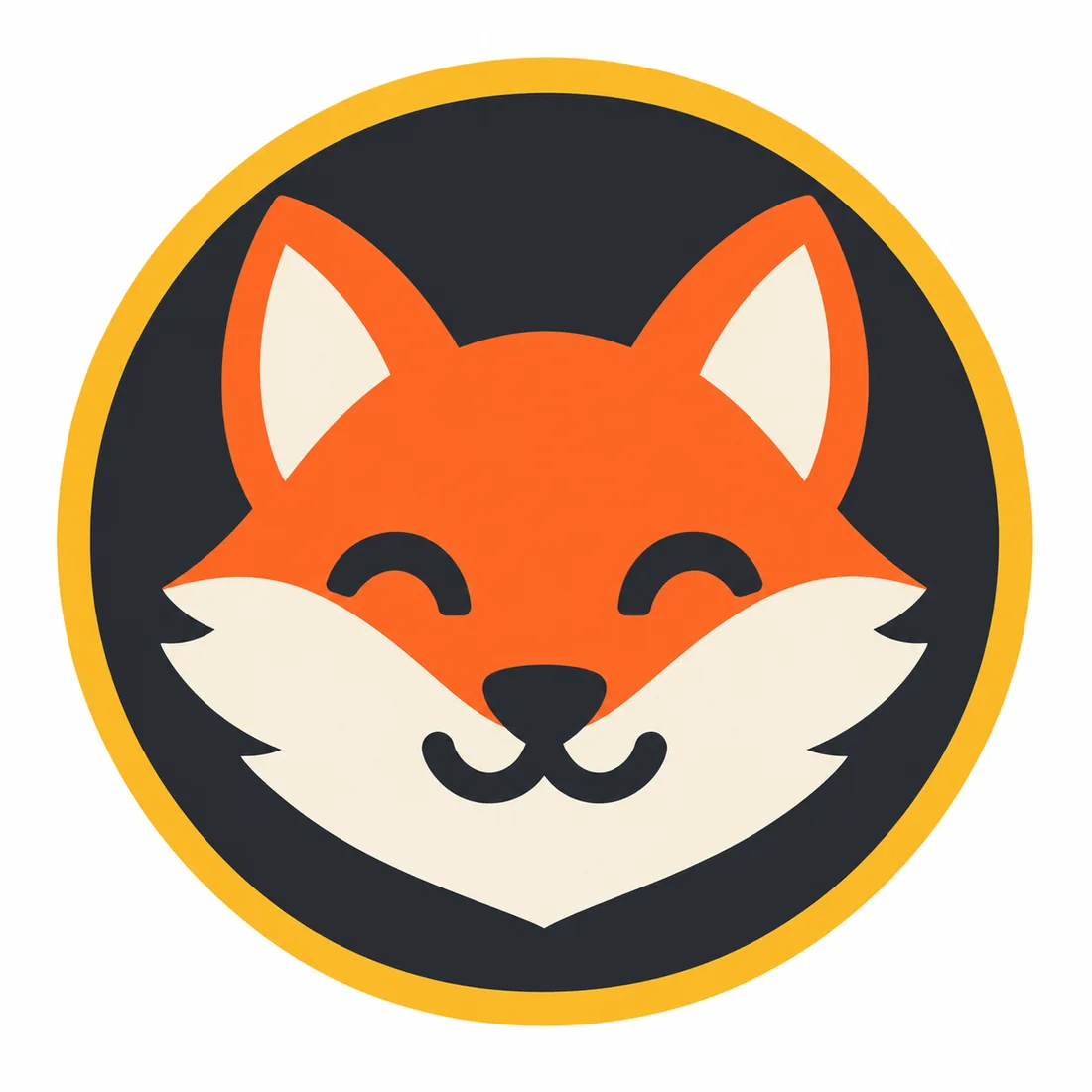
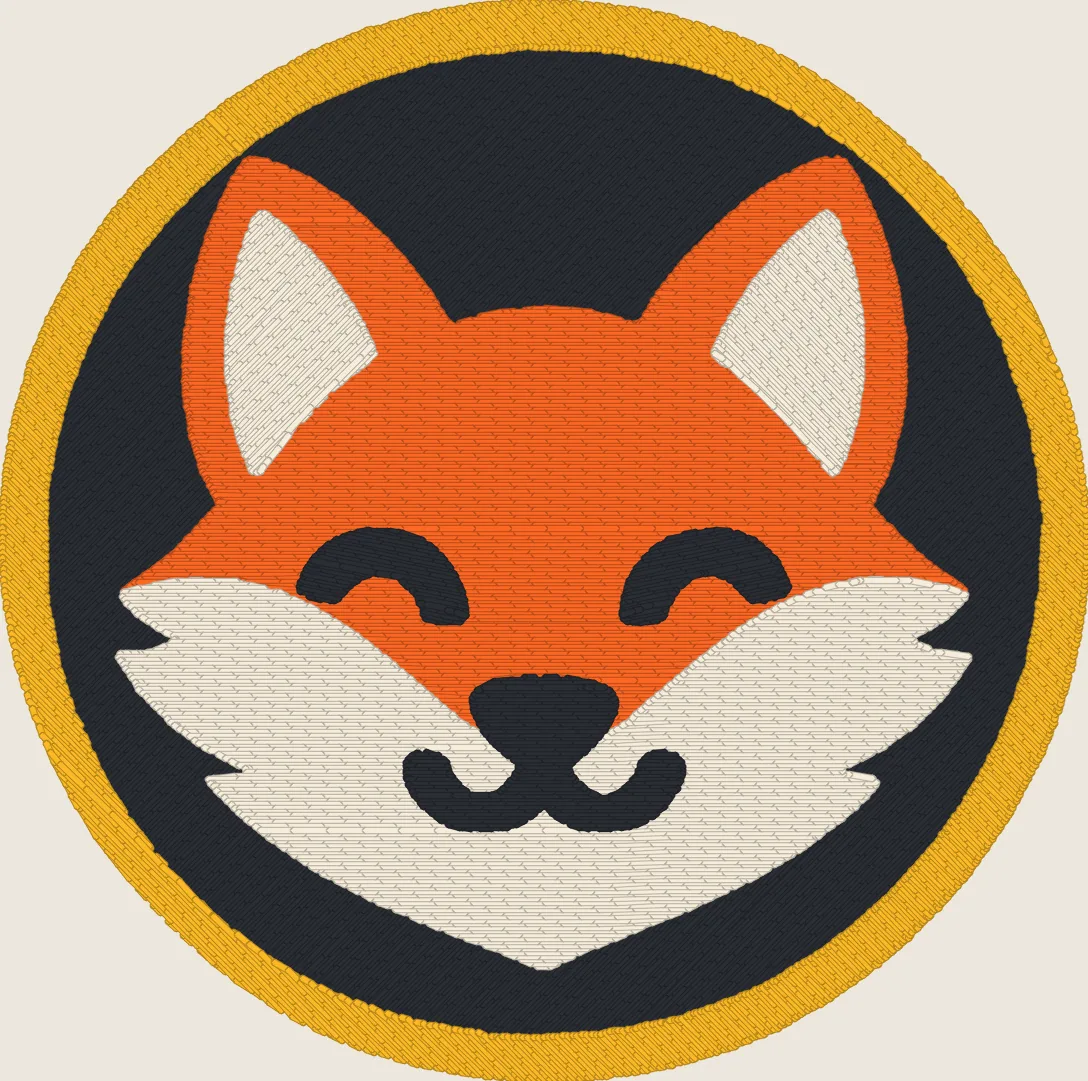
The crest above and the fox are both flat images, which is why both came out close to their artwork. A format changes which machine can read the file, not what it sews: Basic carries DST and PES, and Standard and above add JEF, EXP, VP3.
Delivery takes 1–3 business days, most orders the same day.
Questions
- Can any image be turned into embroidery?
- Any image can be stitched; not every image makes a good machine file. Flat shapes with clear edges and a handful of colours are what embroidery does well, and they are what we digitize. A photograph has to be redrawn as flat shapes first, so those orders are digitized by hand and lose the shading — thread is laid in solid runs, it cannot blend like ink.
- Is there a free image to embroidery converter?
- The check on our home page is free: it reads your image at the width you need and tells you how many thread colours it has and how thin its thinnest line is, before you pay anything. The machine file itself is digitized and checked by a person, from $9.99 a design. A converter that hands back a file instantly has traced the picture, and why that sews badly is on the PNG to DST page.
- What resolution does my image need?
- Enough that the thinnest line is several pixels wide at the size you will stitch. Resolution matters less than the file having been saved cleanly: a sharp PNG export beats a large JPEG that has been compressed, because compression invents colours at every edge. Better still is the vector file the image was exported from, if there is one.
- Can I use an image made with an AI image generator?
- Yes, if it is a flat design rather than a painting. Generated logos often carry soft gradients and many near-identical shades, which the check reports as extra colours; those get merged when the design is redrawn, so ask for the flat version or expect the colours to be simplified.
- Which file will I get?
- Every package includes DST and PES; Standard and above add JEF, EXP and VP3. Which machine reads which is on the file formats page, so you do not need to know before you order.
Check your image freePrices and terms
Stitch counts come from web/src/samples.json and measurements from web/tools/format_checks.py, both real runs of our own engine and checker on rule set 1.3. The pictures are stitch simulations; nothing we have made has been sewn on a machine, so test on a scrap of the real fabric first.